Thank you for Subscribing to Environmental Business Review Weekly Brief

EZ- BEL Constructions
Pilar Castaneda
Insights on Leadership, Safety Management, and Evolving Practices in Construction
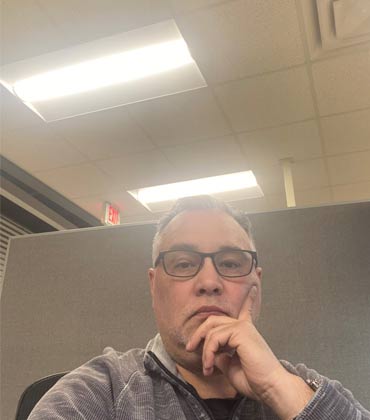
Pilar Castaneda
A Look at Professional Evolution
I have been dedicated to the Environmental, Health, and Safety (EHS) field since 1995, beginning my journey in the Air Force. Early on, I volunteered for the safety committee, which gave me additional responsibilities related to workplace safety. As the youngest airman in my unit, I was quickly given this role, allowing me to gain hands-on experience in critical safety areas such as fall protection, electrical safety, and general workplace protocols. While my primary duties were focused on environmental management, this exposure provided me with a comprehensive understanding of EHS principles. After my time in the Air Force, I took the next step in expanding my expertise by working with the Air Force Center for Environmental Excellence. This experience introduced me to an environmental think tank focused on developing best practices for the Air Force. Being part of this initiative was deeply rewarding and further solidified my commitment to the EHS sector. My career has taken me across every continent except Antarctica, with a significant portion of my work centered in Italy. However, most of my responsibilities were handled remotely—overseeing operations, analyzing test results, and supporting military bases worldwide without always needing to be physically present. This remote engagement allowed me to contribute to a variety of projects while maintaining a global perspective. Seeking more hands-on involvement, I transitioned to a role with the U.S. Army Reserve, overseeing environmental management for the 89th Regional Readiness Command. This position provided me with an in-depth understanding of environmental and safety regulations, especially in the context of military real estate transactions. One of the biggest challenges I faced was effectively communicating environmental policies to diverse audiences. Whether addressing professionals with PhDs or individuals without a technical background, I quickly learned how to tailor messages to ensure clarity and compliance. This ability to adapt communication styles became an essential skill that has served me well throughout my career. Eventually, I moved into the construction sector, joining Yantis Company and relocating to San Antonio to be closer to my family. I later became part of Brooks Air Force Base, where I worked with the U.S. Air Force School of Aerospace Medicine. My focus there was on chemical, biological, nuclear, and radiological defense from a medical standpoint. This role was one of the most fulfilling of my career, as it allowed me to develop strong professional relationships that remain invaluable today. Currently, I am with EZ-BEL Construction, where I continue to be impressed by the company’s dedication to environmental and safety practices. The commitment to safety here is unmatched, with substantial resources devoted to employee well-being and process improvement. The culture at EZ-BEL is truly unique, and I am grateful to be part of such a forward-thinking organization. Safety as a Priceless Commitment My philosophy on safety is simple: human life is irreplaceable. No amount of money can compensate for an injury or loss of life. While equipment and materials can be replaced, a person’s well-being is priceless. Many fail to fully understand the broader impact of a workplace injury—it’s not just about the individual affected but also their family, financial stability, and overall quality of life. For example, workers’ compensation typically covers only about 60 percent of an individual’s paycheck before taxes, creating financial stress. But beyond the financial aspect, injuries steal life’s precious moments—missing a child’s first steps, being unable to play sports, or attending important family events. No paycheck can make up for those lost experiences. This is why safety is paramount: not just in the workplace, but in life. Ensuring the safety of every individual is worth far more than any amount of money or material gain. If I had to, I would take an injury myself rather than see one of my team members suffer. Many of them are the sole providers for their families, living paycheck to paycheck. Their safety is non-negotiable, and protecting them is my top priority.Safety is paramount: not just in the workplace, but in life. Ensuring the safety of every individual is worth far more than any amount of money or material gain.
The articles from these contributors are based on their personal expertise and viewpoints, and do not necessarily reflect the opinions of their employers or affiliated organizations.
